
The role of marine GPS in vessel safety
Marine GPS systems are essential tools for navigation, safety, and operational efficiency. Accurate positioning allows operators to plan routes, avoid hazards, and maintain awareness in changing marine conditions.
In both commercial and recreational settings, marine GPS systems reduce risk by providing real time data that supports informed decision making.
Core features of modern marine GPS units
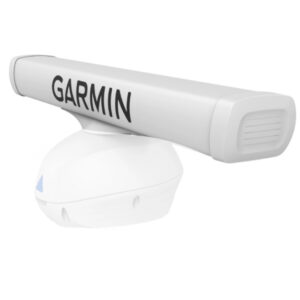
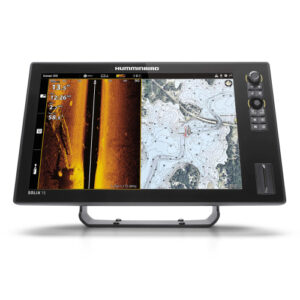
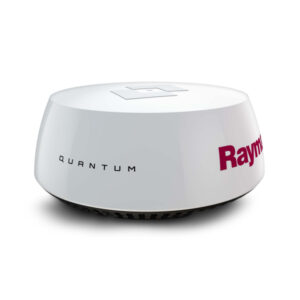
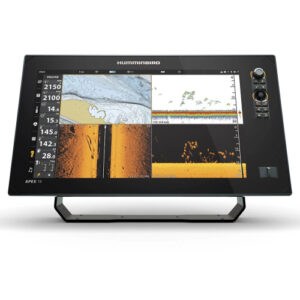
Modern marine GPS systems typically include chart plotting, waypoint management, depth data integration, and route optimization. Many systems also integrate with radar, sonar, and AIS to provide a comprehensive navigational overview.
High visibility displays and reliable satellite reception are especially important in challenging weather and offshore conditions.
Selecting the right marine GPS system
Choosing the right marine GPS depends on vessel size, operating environment, and user requirements. Commercial vessels often require advanced integration and redundancy, while recreational vessels may prioritize simplicity and clarity.
It is important to select GPS systems that are compatible with international chart standards and marine regulations, especially for vessels operating across regions.
Marine Torque navigation solutions
Marine Torque supplies marine GPS systems suitable for professional and recreational vessels worldwide. We help customers select navigation equipment that supports safe and efficient marine operations across Europe and beyond.